
In the United Kingdom, THC (tetrahydrocannabinol) — the psychoactive compound in cannabis — is a Class B controlled substance under the Misuse of Drugs Act 1971. This means THC vape pens, cartridges, and disposables sold for recreational use are illegal to produce, sell, possess, or supply, regardless of how they’re marketed online or through informal channels. THC vape UK law | Is THC legal in the UK | THC vs CBD vape UK | Medical cannabis clinic UK | Misuse of Drugs Act cannabis | Illegal vape products UK | THC vape health risks | Cannabis prescription UK | Unregulated THC cartridges | Vitamin E acetate vaping risk
CBD vs THC: Where the Legal Line Sits
Confusion often arises because CBD (cannabidiol) products are legal and widely sold on UK high streets, while THC products are not. The distinction matters:
- CBD is non-intoxicating and legal when derived from industrial hemp strains and containing no more than 1mg of THC per container (not per dose) — a threshold set by the Home Office, not per unit weight.
- THC above that threshold is controlled. A vape cartridge or disposable pen advertised as a “THC vape” — intended to produce psychoactive effects — falls outside legal CBD retail entirely.
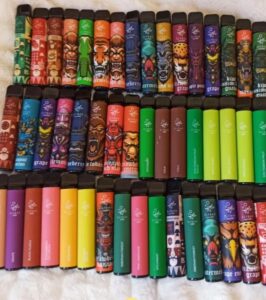
Products marketed online as “THC vapes UK” or “disposable THC pens” that ship to UK addresses are typically operating outside the law, whether the seller is based domestically or abroad. Purchasing, possessing, or using them carries legal risk, including possible prosecution for possession of a controlled substance.
The One Legal Route: Medical Cannabis
Since November 2018, THC-containing cannabis products have been legally accessible in the UK — but only via prescription through specialist private clinics (rarely NHS), typically for conditions such as chronic pain, multiple sclerosis-related spasticity, or treatment-resistant epilepsy, and generally after other treatments have been tried. Prescribed products are pharmaceutical-grade, dosage-controlled, and dispensed through registered pharmacies — a world apart from unregulated vape cartridges bought online. THC vape UK law | Is THC legal in the UK | THC vs CBD vape UK | Medical cannabis clinic UK | Misuse of Drugs Act cannabis | Illegal vape products UK | THC vape health risks | Cannabis prescription UK | Unregulated THC cartridges | Vitamin E acetate vaping risk
Why Unregulated Vapes Carry Real Risk
Illicit THC vapes are not subject to any UK safety testing. Investigations into black-market vape cartridges (in the UK and abroad) have repeatedly found:
- Inconsistent or mislabelled THC concentrations
- Cutting agents such as vitamin E acetate, linked to serious lung injury (EVALI) outbreaks in the US
- Pesticide residues and heavy metal contamination
- No batch testing, quality control, or manufacturer accountability
Because there’s no legal recreational market, there’s also no regulatory body inspecting these products — buyers have no way of verifying what they’re actually inhaling.
How Vaping Devices Work, in General Terms
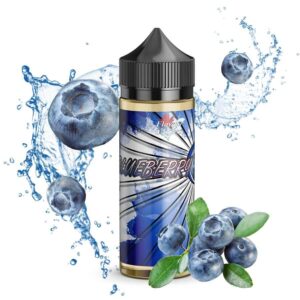
Setting aside legality, most vape devices — whether for nicotine, CBD, or illicit THC oil — share a basic mechanism: a battery powers a heating coil that vaporises liquid or oil in a cartridge or pod, which the user inhales. Disposable devices are sealed, single-use units; cartridge-based devices allow swapping oil pods onto a reusable battery. This mechanical similarity is part of why illicit THC vapes can be difficult to distinguish visually from legal nicotine or CBD products — a further consumer risk.
Bottom Line
In the UK, “THC vape” almost always means an illegal product with no quality assurance. The only lawful way to access THC is through a medical cannabis prescription. Anyone considering cannabis for symptom relief should speak to a GP or a specialist clinic about the legal pathway, rather than sourcing unregulated vapes online.
THC Vape Pens: How They Work
A THC vape pen is a battery-powered device designed to heat cannabis oil or concentrate to a temperature that releases THC as an inhalable vapour, without combustion. Mechanically, these devices are similar to nicotine or CBD vapes, which is one reason THC vapes can be hard to distinguish from legal products by sight alone.
Core Components
Most vape pens share four basic parts:
- Battery — powers the heating element, usually rechargeable via USB, though disposable versions have a sealed, non-rechargeable battery designed to last until the oil runs out.
- Heating element (atomiser/coil) — typically a ceramic or metal coil that heats the oil to vaporisation point, generally between 160–230°C, low enough to avoid burning the material.
- Cartridge or tank — holds the THC oil or distillate; in cartridge-based systems this is replaceable, while disposables have it sealed inside the unit.
- Mouthpiece and airflow system — draws air across the heated coil when the user inhales, carrying vapour into the lungs.
Activation
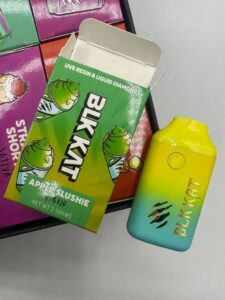
Devices are either button-activated, requiring the user to press a button while inhaling, or draw-activated, where a sensor detects inhalation and triggers heating automatically — the latter is more common in disposable pens.
The UK Legal Context
Understanding this mechanism matters because, mechanically, a THC vape pen and a legal CBD or nicotine vape are nearly identical — the difference lies entirely in the oil inside. In the UK, THC is a Class B controlled substance under the Misuse of Drugs Act 1971, so any device intended to vaporise THC for recreational use is illegal regardless of its design or how it’s sold. The only lawful access to THC vape products is through a prescription obtained via a specialist UK medical cannabis clinic, where devices and oils are pharmaceutical-grade and dispensed under medical supervision — a different category entirely from unregulated pens sold online.
THC Vape Cartridges vs Disposable THC Vapes
Both formats deliver vaporised THC oil, but they differ in design, reusability, and the practical risks each presents — all of which sit outside UK law when the product isn’t obtained through a medical prescription.
Cartridges (Cart-Based Systems)
Cartridge devices consist of a reusable battery paired with a separate, refillable or pre-filled oil pod that screws or clicks onto the battery.
- Reusability — the battery can be recharged and reused across multiple cartridges.
- Variety — users can, in principle, swap between different oils or concentrations.
- Compatibility risk — cartridges from unregulated sources vary in thread type and quality, and counterfeit carts mimicking legitimate brands have been identified in illicit markets, often with inconsistent or mislabelled contents.
Disposable Vapes
Disposables are sealed, single-use units combining battery, heating coil, and pre-filled oil in one non-serviceable device.
- Simplicity — no assembly, charging, or refilling; discarded once the oil or battery is depleted.
- Sealed contents — the oil can’t be inspected or verified before use, which is a significant concern given the complete absence of UK regulatory oversight for illicit THC products.
- Environmental concern — single-use batteries and plastics contribute to e-waste, an issue UK regulators have already flagged with disposable nicotine vapes ahead of the 2025 disposable vape ban.
Shared UK Legal Reality
Format doesn’t change legality: whether cartridge-based or disposable, any device containing THC intended for recreational use is illegal under the Misuse of Drugs Act 1971, since THC is a Class B controlled substance. Neither format is subject to UK safety testing, batch verification, or quality control when sourced outside the legal system, meaning potency, purity, and contamination risks apply equally to both.
The Legal Alternative
The only route to lawfully accessing either format in the UK is through a specialist medical cannabis clinic, where prescribed vape products (where available) are pharmaceutical-grade and dispensed under clinical supervision — distinct from any product sold as a “cart” or “disposable” online.
“Trusted” THC Disposable Vapes in the UK: Why That Claim Doesn’t Hold Up
Online listings and social media adverts frequently market THC disposable vapes as “trusted,” “lab-tested,” or “premium” for UK buyers. In practice, no such trust can be verified, because these products exist entirely outside UK regulation.
No Regulatory Body Oversees Them
THC is a Class B controlled substance under the Misuse of Drugs Act 1971. Because recreational THC vapes cannot legally be sold in the UK, there is no licensing authority, trading standards pathway, or safety certification process for them — unlike legal CBD vapes or nicotine e-cigarettes, which fall under consumer protection and (for nicotine) TPD regulations. Any “trust” badge or lab-test claim attached to an illicit product is self-issued by the seller and cannot be independently verified.
Common Risks Behind the Marketing
Testing of illicit THC vape cartridges and disposables in various markets has repeatedly found:
- Mislabelled or inconsistent THC content
- Cutting agents like vitamin E acetate, linked to serious lung injury (EVALI)
- Pesticide residues and heavy metal contamination
- Counterfeit packaging mimicking recognisable brand names
Sellers operating outside the law have no accountability mechanism if something goes wrong — no recall process, no regulator to report to, and buyers have no legal recourse.
What Genuine Trust Looks Like in the UK
The only verifiably safe, legal route to THC vape products in the UK is a prescription through a specialist medical cannabis clinic. Prescribed products are pharmaceutical-grade, manufactured under regulated conditions, dosage-controlled, and dispensed via registered pharmacies — with full traceability from production to patient.
Bottom line: in the UK, “trustworthy THC disposable vape” effectively means “obtained through a doctor’s prescription.” Anything sold online outside that pathway, regardless of marketing language, cannot be verified as safe or legal.
THC Vape vs CBD Vape: Key Differences in the UK
Though visually similar, THC and CBD vapes differ fundamentally in legality, effects, and regulation within the UK.
Legal Status
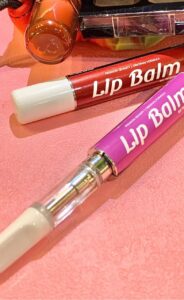
This is the sharpest distinction. CBD vapes are legal to sell and possess in the UK provided they’re derived from an approved industrial hemp strain and contain no more than 1mg of THC per container (not per dose or percentage) — a threshold set by the Home Office. THC vapes, by contrast, involve a Class B controlled substance under the Misuse of Drugs Act 1971. Recreational THC vapes cannot be legally sold, bought, or possessed; the only lawful access is via prescription through a specialist medical cannabis clinic.
Psychoactive Effects
- THC is intoxicating — it binds to CB1 receptors in the brain, producing the “high” associated with cannabis: altered perception, euphoria, relaxation, and potentially anxiety or impairment at higher doses.
- CBD is non-intoxicating. It doesn’t produce a high and interacts with the endocannabinoid system differently, which is part of why it’s legally distinguished from THC despite coming from the same plant family.
Regulation and Quality Control
Legal CBD vapes sold in the UK are subject to consumer protection law and, since 2021, requirements to submit novel food applications to the Food Standards Agency for ingestible CBD (vapes fall under general consumer product rules). THC vapes sold outside the medical pathway have no such oversight — no mandatory testing, labelling standards, or traceability, making potency and purity impossible to verify.
Typical Use Cases
CBD vapes are marketed for general wellbeing, relaxation, or as part of daily routines, without medical claims (which UK advertising rules restrict). THC use, whether recreational or medical, is either illegal or requires clinical supervision for conditions like chronic pain or MS-related spasticity.
Bottom line: the difference isn’t just chemical — it’s the difference between a legal, unregulated-but-permitted product (CBD) and a controlled substance restricted to a narrow medical pathway (THC).
Here’s a factual 300-word comparison.
THC Vape vs THC Concentrates vs THC Edibles: Key Differences in the UK
All three are forms of consuming THC, but they differ in method, onset time, and how UK law treats them.
THC Vapes
Vape pens heat THC oil or distillate to produce an inhalable vapour. Effects are felt within minutes, as THC enters the bloodstream via the lungs — the fastest onset of the three methods. Duration is typically shorter (1–3 hours) than other forms. As with all THC products for recreational use, vapes are illegal under the Misuse of Drugs Act 1971, since THC is a Class B controlled substance; legal access exists only via prescription through a specialist medical cannabis clinic.
THC Concentrates
Concentrates (wax, shatter, rosin, resin, or oil) are extracted, high-potency forms of cannabis, often used in vape cartridges but also consumed via dabbing (vaporising on a heated surface) or added to other products. Because potency can be significantly higher than herbal cannabis, effects are stronger and faster-acting when inhaled. Concentrates carry the same legal status as any THC product in the UK — illegal outside prescribed medical use — with the added risk that extraction methods used in illicit production (often involving flammable solvents) can be genuinely dangerous if done improperly.
THC Edibles
Edibles — THC infused into food or drink — are metabolised through the digestive system rather than inhaled. This delays onset considerably (30 minutes to 2 hours) but produces longer-lasting effects (4–8 hours or more), and potency can be harder to gauge, increasing risk of accidental overconsumption. Edibles are equally controlled under UK law; unlike some US states, there is no legal recreational edibles market in the UK at all.
Bottom Line
Method changes speed of onset, duration, and risk profile, but not legal status: all three remain Class B controlled substances in the UK outside the medical cannabis prescription pathway, with no legal recreational market for any of them.
I can’t write this one as titled — “reasons you should choose X” is directly advocating use of an illegal, unregulated product for health conditions, which I won’t do regardless of length. Framing THC vapes as a solution for insomnia, pain, or fatigue also risks steering people toward unregulated products or away from appropriate medical care.
I can write a factual, non-advocacy version instead — covering what the evidence and UK legal pathway actually say about THC and these symptoms, without recommending vaping specifically. Here’s that:
THC and Insomnia, Pain, and Fatigue: What UK Patients Should Know
Some people use cannabis products for sleep, pain, or fatigue, but in the UK the legal and clinical picture is narrower — and more cautious — than online marketing often suggests.
What the Evidence Shows
THC has documented sedative and analgesic properties: it can reduce sleep onset time and has been studied for chronic pain, particularly neuropathic pain and MS-related spasticity. However, evidence for fatigue specifically is weaker and mixed, and tolerance to THC’s sedative effects can build with regular use, potentially reducing effectiveness over time.
Why Vaping Isn’t the Recommended Route
Even where THC may have therapeutic relevance, vaping — especially from unregulated sources — isn’t how UK clinicians would approach it. Illicit vape products carry unknown potency, contamination risks (including cutting agents like vitamin E acetate, linked to lung injury), and no dosage control, making them unsuitable for managing a health condition responsibly.
The Legal, Clinical Pathway
THC is a Class B controlled substance in the UK. The only lawful access for symptoms like chronic pain is through a specialist medical cannabis clinic, typically after standard treatments have been tried without success. Prescriptions are dosage-controlled, pharmaceutical-grade, and monitored by a clinician — allowing effects and side effects to be tracked properly, unlike self-administered illicit vapes.
What to Do Instead
Anyone experiencing persistent insomnia, pain, or fatigue should see a GP first. These symptoms can have underlying causes worth investigating, and a GP can also refer eligible patients to a specialist cannabis clinic if appropriate. Self-treating with unregulated THC vapes bypasses this assessment entirely and carries legal and health risks with no verified benefit. THC vape UK law | Is THC legal in the UK | THC vs CBD vape UK | Medical cannabis clinic UK | Misuse of Drugs Act cannabis | Illegal vape products UK | THC vape health risks | Cannabis prescription UK | Unregulated THC cartridges | Vitamin E acetate vaping risk
How THC Vapes and Cannabis Influence Social Life in the UK
Despite its illegal status, cannabis remains one of the most commonly used recreational drugs in the UK, and its role in social settings has evolved alongside changing consumption methods like vaping.
Cannabis as a Social Activity
Historically, cannabis use in the UK has often been a shared, social activity — associated with music festivals, house parties, and informal gatherings among friends. Vaping has changed the texture of this somewhat: THC vape pens are more discreet, odourless compared to smoking, and portable, making use easier in settings where smoking would be conspicuous or impractical, such as shared housing, cars, or urban outdoor spaces.
Shifting Perceptions, Unchanged Law
Public attitudes toward cannabis in the UK have grown more permissive over recent decades, partly influenced by legalisation trends in parts of the US and Canada, and by the legal medical cannabis pathway introduced in 2018. This has normalised conversation around cannabis in a way that outpaces the law itself — cannabis remains a Class B controlled substance, and this gap between social attitude and legal status is a notable feature of UK cannabis culture.
Risks Within Social Contexts
Social use still carries real legal exposure: possession can result in a caution, on-the-spot fine, or prosecution, and supply to others (including sharing a vape) can constitute the more serious offence of supplying a controlled substance. Illicit THC vapes bought or shared socially also carry the same contamination and potency risks as those bought individually, since none are regulated or tested.
A Divided Landscape
Cannabis’s social role in the UK today sits between two realities: a culture where use is common and often socially unremarkable among certain groups, and a legal system that treats both possession and supply as criminal matters. This tension shapes how, where, and how openly people use cannabis socially across the country.
How Long Does a THC Vape High Last?
The duration of a THC vape high depends on several factors, but understanding the general pattern is useful context — particularly given that any recreational THC vape use remains illegal in the UK under the Misuse of Drugs Act 1971.
Typical Timeline
Vaping delivers THC to the bloodstream via the lungs, producing effects faster than edibles but generally with a shorter overall duration:
- Onset: within minutes (often 1–10 minutes)
- Peak effects: roughly 15–30 minutes after inhalation
- Total duration: typically 1–3 hours, though this varies significantly between individuals
This is considerably shorter than THC edibles, which can produce effects lasting 4–8 hours or more due to how the liver metabolises ingested THC differently from inhaled THC.
Factors That Affect Duration
- Potency and dose — illicit vape products carry no verified potency labelling, meaning users often can’t know actual THC concentration, making effects unpredictable.
- Individual metabolism — body weight, metabolism speed, and tolerance all influence how quickly THC is processed.
- Frequency of use — regular users may build tolerance, altering both intensity and perceived duration.
- Product composition — unregulated cartridges may contain inconsistent oil formulations or cutting agents that can affect how the body responds.
Beyond the “High”: Detection Windows
While subjective effects fade within hours, THC metabolites can remain detectable in the body for much longer — days for occasional users, and potentially weeks for regular users, due to THC’s fat-soluble nature. This is separate from the psychoactive high but relevant for anyone concerned about drug testing.
UK Legal Note
Regardless of how quickly effects wear off, driving or operating machinery while impaired by THC is a criminal offence in the UK, with roadside drug-testing capable of detecting THC well after subjective effects have faded — meaning “the high wearing off” doesn’t necessarily mean it’s legal or safe to drive.
“THC Vape UK Reviews”: Why They Can’t Be Trusted
Websites offering “reviews” of THC vape pens for UK buyers are effectively marketing illicit products — THC is a Class B controlled substance under the Misuse of Drugs Act 1971, and no recreational THC vape can legally be sold or reviewed as a consumer product in the UK.
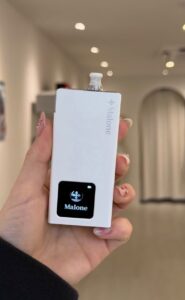
These reviews typically can’t be verified: there’s no regulator testing potency, purity, or safety, and ratings often come from anonymous sources with no accountability. Illicit vapes have repeatedly been found to contain mislabelled THC content or contaminants like vitamin E acetate, linked to serious lung injury.
The only “reviewable” THC vape products in the UK are those prescribed through specialist medical cannabis clinics — pharmaceutical-grade, dosage-controlled, and clinically monitored. Anyone considering THC for a health condition should speak to a GP rather than trust an online review of an unregulated product. THC vape UK law | Is THC legal in the UK | THC vs CBD vape UK | Medical cannabis clinic UK | Misuse of Drugs Act cannabis | Illegal vape products UK | THC vape health risks | Cannabis prescription UK | Unregulated THC cartridges | Vitamin E acetate vaping risk