
Hybrid THC Vapes
Showing all 5 results
-
Hybrid THC Vapes
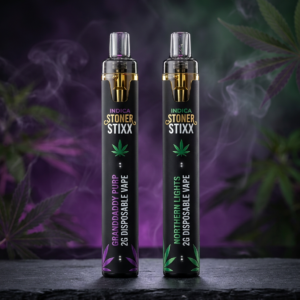
Indica Stoner Stixx 2g dispo
Original price was: £27.00.£25.00Current price is: £25.00. -
Hybrid THC Vapes
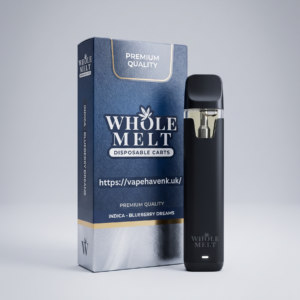
Whole Melt Disposable Carts
Original price was: £27.00.£25.00Current price is: £25.00.


Understanding Hybrid Cannabis Vape Products, Cannabinoids, Effects, Quality and UK Legal Considerations
Hybrid THC vapes are a topic of increasing interest among people researching cannabis-derived products, vape technology and d/ifferent cannabinoid formulations. The term Hybrid THC Vapes generally describes vape products associated with cannabis varieties or formulations that combine characteristics traditionally associated with different cannabis categories. However, the terminology can be confusing because “hybrid” may refer to genetics, cannabinoid composition, terpene profile or simply the marketing description applied to a particular formulation. hybrid thc vape, hybrid thc vapes, thc vape exotic vs hybrid, what is a hybrid thc vape.
For anyone researching hybrid THC vapes, it is important to distinguish between the terminology used by the cannabis industry and the legal status of THC-containing products. In the United Kingdom, cannabis is classified as a Class B controlled drug, while THC and certain other cannabinoids are controlled under the Misuse of Drugs Act 1971 and associated regulations. The Home Office states that possessing, supplying, producing, importing or exporting controlled cannabis products is generally unlawful without the appropriate licence or applicable legal exemption.
This guide explains what hybrid THC vapes are commonly understood to mean, how hybrid formulations differ from other cannabis categories, what cannabinoids and terpenes have to do with product characteristics, why laboratory testing matters, how vape hardware influences the experience, and why UK consumers need to pay particular attention to current legislation.
What Are Hybrid THC Vapes?
The phrase Hybrid THC Vapes combines two concepts: THC-containing vape formulations and the idea of a cannabis “hybrid.” In traditional cannabis terminology, a hybrid is a cultivar developed by combining genetic characteristics associated with different cannabis lineages. Modern cannabis genetics are highly complex, however, so the familiar categories of indica, sativa and hybrid should not be treated as precise scientific descriptions of chemical composition or effects. hybrid thc vape, hybrid thc vapes, thc vape exotic vs hybrid, what is a hybrid thc vape.
A hybrid vape formulation may therefore be described as “hybrid” because of the botanical genetics from which cannabinoids and terpenes originated, because the formulation is associated with a hybrid cultivar, or because its cannabinoid and terpene profile has been designed to provide characteristics associated with more than one traditional category.
THC, or tetrahydrocannabinol, is one of the best-known cannabinoids found in cannabis. Unlike CBD, THC is psychoactive and can affect perception, mood, coordination, attention and other functions. This distinction is especially important when researching vape products because a product advertised using cannabis terminology may contain substances with very different pharmacological and legal characteristics.
A THC vape generally refers to a vape device, cartridge or disposable system containing a formulation intended to be vaporised and inhaled. Depending on the formulation, the liquid or oil may contain cannabinoids, terpenes and other ingredients. The exact composition should never be assumed solely from the product name.
For example, two products may both be marketed as hybrid THC vapes while having substantially different cannabinoid concentrations and terpene profiles. A responsible product description should therefore provide information that allows the composition to be independently understood rather than relying only on strain names or marketing terminology.
Another important distinction is between THC-containing products and legal CBD products. Pure CBD itself is not controlled under the Misuse of Drugs Act 1971, but the legal position of a CBD product can depend on its composition and whether controlled cannabinoids are present. The Home Office specifically notes that consumer CBD products may contain varying amounts of controlled cannabinoids.
Consequently, consumers researching hybrid THC vapes should look beyond labels and investigate the actual ingredients, laboratory evidence, manufacturer information and applicable legislation.
Hybrid THC Vapes, Cannabinoids and Terpene Profiles
Understanding cannabinoids and terpenes provides useful context when evaluating claims about hybrid THC vapes.
Cannabinoids are chemical compounds naturally associated with cannabis. THC and CBD are among the most widely discussed, but cannabis contains numerous other cannabinoids. Different plants and formulations can contain different combinations and concentrations of these compounds. hybrid thc vape, hybrid thc vapes, thc vape exotic vs hybrid, what is a hybrid thc vape.
THC is particularly significant because it can produce psychoactive effects and is subject to controlled-drug legislation in the UK. The Home Office identifies THC and certain THC derivatives among controlled cannabinoids.
CBD is chemically different from THC. Pure CBD is not itself controlled under the Misuse of Drugs Act 1971, but products containing CBD can still raise regulatory issues depending on their formulation. This is one reason why descriptions such as “hemp vape,” “cannabis vape,” “CBD vape” and “THC vape” should not be treated as interchangeable terms.
Terpenes are another major part of cannabis terminology. These aromatic compounds occur naturally in many plants and contribute to scent and flavour. Cannabis varieties can contain different terpene profiles, which can influence how a product smells and tastes.
Commonly discussed cannabis-associated terpenes include myrcene, limonene, pinene, linalool and caryophyllene. Their presence does not by itself establish that a product is legally permitted, safe or suitable for inhalation.
For a hybrid formulation, the terpene profile can be particularly relevant because “hybrid” does not automatically identify a specific chemical composition. A product described as a hybrid may contain a combination of terpene characteristics traditionally associated with different cultivars.
This makes laboratory testing an important consideration.
A credible certificate of analysis, commonly abbreviated as COA, can provide information about cannabinoid concentrations and, depending on the laboratory and test, contaminants or other compounds. Laboratory documentation may include cannabinoid potency, residual solvents, pesticides, heavy metals and microbial contamination.
However, consumers should understand that a laboratory certificate does not automatically make a controlled THC product legal in the UK. Product safety testing and legal compliance are separate questions.
A laboratory report can potentially answer questions such as:
What cannabinoids were detected?
What concentration was measured?
Were particular contaminants detected?
Which laboratory performed the analysis?
What batch or sample does the report correspond to?
When was the testing completed?
Were appropriate analytical methods used?
These questions are more meaningful than relying solely on a strain name.
The Food Standards Agency’s work concerning CBD also demonstrates why cannabinoid products require careful regulatory consideration. The FSA treats CBD foods and supplements as novel foods requiring appropriate authorisation before being placed on the market, illustrating that cannabinoid regulation can involve multiple legal frameworks depending on the product category.
Therefore, hybrid THC vape research should consider cannabinoid identity, concentration, ingredients, laboratory evidence and regulatory classification together.
How Hybrid Vape Formulations Differ From Other THC Vape Descriptions
Searching for Hybrid THC Vapes can produce a wide range of terminology, including hybrid cartridges, hybrid vape pens, cannabis oil vapes, THC cartridges, live-resin-style products, distillate products and terpene-enhanced formulations. hybrid thc vape, hybrid thc vapes, thc vape exotic vs hybrid, what is a hybrid thc vape.
These terms do not necessarily describe the same thing.
A distillate-based formulation, for example, is generally associated with a highly refined cannabinoid extract. A terpene-enhanced formulation may add botanical or cannabis-derived terpenes to modify aroma and flavour. Other formulations may attempt to preserve a wider range of compounds from the original plant material.
The terminology used by sellers can therefore be inconsistent.
A “hybrid” label should not automatically be interpreted as meaning that a product contains a particular ratio of THC to CBD or that it will produce a predictable physiological response. Individual responses to cannabinoids can vary considerably, and the effects associated with cannabis are influenced by factors including cannabinoid concentration, route of administration, previous exposure and individual physiology.
The hardware also matters.
Vape products may use different heating technologies, battery capacities, airflow systems and cartridge designs. These characteristics can affect vapour production, flavour delivery and the consistency of heating.
A cartridge that becomes excessively hot may produce an unpleasant taste and potentially alter components of the formulation. Hardware quality is therefore an important part of evaluating any inhaled product.
Another consideration is the material used for the cartridge or atomiser. Poor-quality hardware may create additional concerns if components degrade, leak or interact with the formulation.
For consumers researching vape technology, it is therefore useful to separate three different questions:
What is in the formulation?
This concerns cannabinoids, terpenes, carrier ingredients and potential contaminants.
How is the formulation delivered?
This concerns the cartridge, atomiser, battery and heating mechanism.
Is the product legally permitted?
This concerns controlled-drug legislation, product classification, licensing and applicable UK regulations.
A product can perform well from a technical perspective without being legally permitted. Similarly, a legally marketed cannabinoid product can still require careful evaluation of its ingredients and quality.
This distinction is particularly important in the UK because the Home Office identifies cannabis and controlled cannabinoids as subject to specific legal controls.
Another area of confusion involves “low THC” terminology. Industrial hemp legislation should not be interpreted as a general permission to manufacture or sell THC vape products. UK government guidance explains that industrial hemp licensing relates to specific activities and uses, including seed and fibre production, and does not create a general exemption for THC-containing consumer vape products.
For this reason, consumers should avoid assuming that a product is lawful simply because it is described as hemp-derived, low-THC or cannabis-derived.
Quality, Laboratory Testing and Responsible Evaluation of Hybrid THC Vapes
When researching hybrid THC vapes, quality information is more valuable than attractive packaging or strain names.
A responsible evaluation should begin with the product’s identity. The manufacturer or responsible business should be identifiable, and the formulation should have a clear ingredient description where legally appropriate.
Laboratory testing is another important consideration. A certificate of analysis should ideally correspond to the specific batch rather than being an unrelated generic document.
Useful information may include:
Cannabinoid identification
Cannabinoid concentration
Batch number
Laboratory identification
Testing date
Testing methodology
Residual solvent screening
Heavy-metal screening
Pesticide screening
Microbial testing where applicable
Other contaminant testing appropriate to the formulation
Testing for contaminants is especially relevant for inhaled products because vaping introduces substances directly into the respiratory system. hybrid thc vape, hybrid thc vapes, thc vape exotic vs hybrid, what is a hybrid thc vape.
A product may appear visually clean and still contain contaminants that cannot be detected by sight, smell or taste. This is why independent analytical testing can provide useful information.
It is also important to be cautious with unsupported health claims. A website should not state that a particular hybrid THC vape treats anxiety, depression, pain, insomnia or another medical condition unless the product is appropriately authorised and the claim is legally permitted.
Cannabis-derived products are frequently discussed online using terms such as “relaxing,” “energising,” “calming” or “uplifting.” Such descriptions may reflect consumer experiences or marketing terminology rather than established medical evidence.
A strong SEO article should distinguish between subjective descriptions and medically established effects.
For example, instead of presenting an unsupported statement that a particular hybrid THC vape “treats anxiety,” an educational page can explain that THC can affect mood, perception and cognition and that individual responses can differ.
This approach is also better for search quality because it avoids exaggerated claims.
Another important factor is transparency about age restrictions and responsible use. Cannabis products containing controlled THC should not be presented as ordinary consumer vape products in jurisdictions where they are prohibited.
In the UK, cannabis is a Class B controlled drug, and the Home Office states that possession, supply, production, import and export are generally prohibited without the required licensing or applicable exemption.
The legal situation is particularly important for websites using commercial phrases such as “buy Hybrid THC Vapes UK.” Search demand does not change the legal classification of a product.
Website owners should therefore ensure that product descriptions, advertising, checkout processes and claims comply with applicable law.
It is also worth keeping regulatory information current. UK vaping regulation is evolving, including the introduction of Vaping Products Duty. HMRC states that a new Vaping Products Duty is scheduled to apply from 1 October 2026 to qualifying vaping products.
However, tax treatment should not be confused with legal authorisation. The existence of a vaping tax does not mean that every type of vaping liquid is lawful to sell.
For website content, this distinction should be made explicitly.
Hybrid THC Vapes in the UK: Legal and Regulatory Considerations
The phrase Hybrid THC Vapes UK has significant search interest, but it is also a phrase that requires particularly careful treatment.
The United Kingdom does not generally permit ordinary consumer possession and supply of THC cannabis products. According to the Home Office, cannabis is a Class B controlled drug, while THC and certain cannabinoid derivatives are controlled substances.
The legal framework can differ for specific cannabis-based medicinal products. The government explains that specialist doctors can lawfully prescribe certain cannabis-based products for medicinal use in humans that fall within the relevant regulatory framework, while companies dealing with such products may require controlled-drug licences.
This means that the term “medical cannabis” should not be used interchangeably with an ordinary THC vape sold through an online retail website.
It is also important to distinguish CBD from THC.
Pure CBD is not controlled under the Misuse of Drugs Act 1971, but the Home Office explains that CBD products can have different legal statuses depending on their contents and may contain controlled cannabinoids.
Consequently, a website should not describe a THC product as “legal CBD” merely because it contains CBD alongside THC.
The regulatory position concerning emerging cannabinoids can also change. Government material concerning semi-synthetic cannabinoids and THC-related substances shows that authorities have been examining how these compounds should be controlled and regulated.
This is particularly relevant to online vape terminology because products may be marketed using chemical names, alternative cannabinoid names or phrases such as “legal THC.” Such terminology should not be accepted at face value.
Consumers should check the current legal position rather than relying on a seller’s statement that a product is “legal,” “compliant” or “under the limit.”
For businesses publishing content about hybrid THC vapes, a responsible legal-information section should make several points clear:
First, THC is not equivalent to CBD.
THC is a controlled cannabinoid under UK drug legislation.
Second, hemp does not automatically mean THC products are legal.
Industrial hemp rules concern specific licensed activities and uses.
Third, laboratory testing does not create legal permission.
A product can have a laboratory certificate while still being subject to controlled-drug restrictions.
Fourth, medicinal cannabis has a separate regulatory framework.
Prescribed cannabis-based medicines should not be confused with ordinary recreational THC vape products.
Fifth, legislation can change.
Websites should review legal pages periodically and use current government sources rather than relying on outdated articles or social-media claims.
The most authoritative starting point for UK controlled-cannabis information is the Home Office’s official guidance on cannabis, CBD and other cannabinoids.
Frequently Asked Questions About Hybrid THC Vapes
What are Hybrid THC Vapes?
Hybrid THC vapes are generally described as vape formulations associated with cannabis hybrids or combinations of cannabis-derived characteristics. “Hybrid” can refer to genetics, terpene profiles or formulation characteristics and does not by itself establish a particular cannabinoid concentration or predictable effect.
Are Hybrid THC Vapes the same as CBD vapes?
No. THC and CBD are different cannabinoids with different properties and legal considerations. Pure CBD is not controlled under the UK’s Misuse of Drugs Act 1971, while THC is a controlled cannabinoid.
What does “hybrid” mean in cannabis terminology?
Traditionally, hybrid refers to cannabis genetics combining characteristics from different lineages. Modern cannabis varieties are highly diverse, so the term is better understood as a broad descriptive category rather than a precise scientific classification.
Do hybrid vapes always contain THC?
No. The word “hybrid” alone does not establish the presence or concentration of THC. Product composition should be determined from reliable ingredient information and appropriate laboratory documentation. hybrid thc vape, hybrid thc vapes, thc vape exotic vs hybrid, what is a hybrid thc vape.
Can terpene profiles identify a hybrid vape?
Terpenes can help describe aroma and flavour characteristics, but a terpene profile alone cannot establish a product’s legal status, THC concentration or safety.
Why is laboratory testing important?
Laboratory testing can provide information about cannabinoid concentrations and potentially identify contaminants such as residual solvents, pesticides or heavy metals. A laboratory certificate should ideally be traceable to the relevant product batch.
Does a COA make a THC vape legal in the UK?
No. A certificate of analysis is evidence about composition or testing; it is not a controlled-drug licence or legal authorisation. UK cannabis and THC restrictions continue to apply.
Are THC vapes legal in the UK?
Ordinary consumer THC cannabis products are generally subject to the UK’s controlled-drug laws. The Home Office states that cannabis and THC are controlled and that possession, supply, production, import and export are generally unlawful without the appropriate legal basis.
Is medicinal cannabis different from recreational THC vapes?
Yes. Certain cannabis-based products for medicinal use can be lawfully prescribed within the UK’s medicinal-cannabis framework. This does not mean that ordinary THC vape products are legal for unrestricted retail sale.
Does low THC automatically mean legal?
No. The legal treatment of cannabis and hemp depends on the applicable legislation, product composition, activity and licensing requirements. Industrial hemp rules do not provide a general licence to sell THC vape products.
What should consumers look for when researching cannabinoid vape products?
Important considerations include the complete ingredient information, manufacturer identity, appropriate laboratory testing, batch traceability, hardware quality, accurate cannabinoid information and the legal status of the product in the relevant jurisdiction.
Why should websites avoid exaggerated claims about THC vapes?
Claims that a THC vape can cure or treat medical conditions may be misleading and potentially unlawful if unsupported. Educational content should distinguish scientific evidence from subjective consumer descriptions and marketing terminology. hybrid thc vape, hybrid thc vapes, thc vape exotic vs hybrid, what is a hybrid thc vape.
How should a website describe Hybrid THC Vapes responsibly?
A high-quality page should explain the terminology, cannabinoids, terpenes, product testing, vaping technology and legal considerations without presenting controlled THC products as ordinary lawful consumer goods where they are not legally permitted.
What is the difference between hybrid, indica and sativa?
These are traditional cannabis classification terms rather than precise predictors of chemical composition or effects. A product’s actual cannabinoid and terpene profile provides more meaningful information than relying exclusively on these labels.
Can two products with the same hybrid name be different?
Yes. Different manufacturers may use the same or similar strain names while producing formulations with different cannabinoid concentrations, terpene profiles, extraction methods and hardware.
What is the most important thing to remember about Hybrid THC Vapes?
The most important point is that the product name does not tell the whole story. Consumers should consider the actual composition, testing evidence, manufacturing information and applicable law. In the UK, THC remains subject to controlled-drug legislation, so legal status should always be verified using current official guidance.
Final Thoughts on Hybrid THC Vapes
Hybrid THC Vapes are a complex subject combining cannabis terminology, cannabinoid chemistry, vape technology, consumer expectations and UK regulation. The word “hybrid” can describe genetic background or formulation characteristics, but it should not be treated as a guarantee of a particular cannabinoid profile or effect. hybrid thc vape, hybrid thc vapes, thc vape exotic vs hybrid, what is a hybrid thc vape.