
High THC Vapes 80 – 90%
Showing all 6 results
-
High THC Vapes 80 – 90%
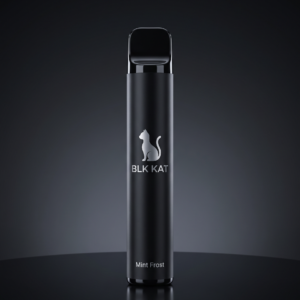
Blk Kat Disposable Vapes
Original price was: £27.00.£25.00Current price is: £25.00. -
High THC Vapes 80 – 90%
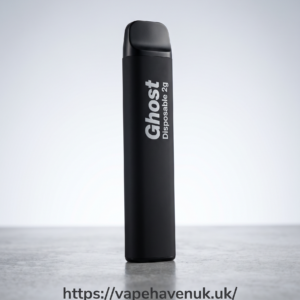
Ghost Disosable 2g
Original price was: £27.00.£25.00Current price is: £25.00. -
High THC Vapes 80 – 90%
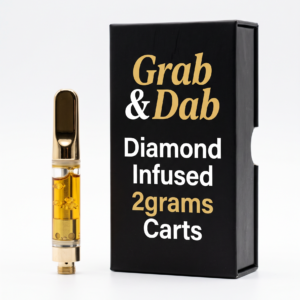
Grab & Dab Diamond Infused 2grams Carts
Original price was: £27.00.£25.00Current price is: £25.00. -
High THC Vapes 80 – 90%
Plug & Play Carts
Original price was: £27.00.£25.00Current price is: £25.00. -
High THC Vapes 80 – 90%
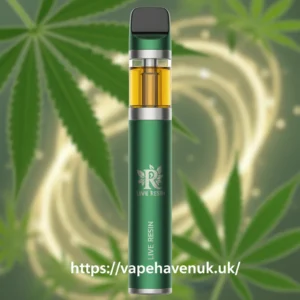
Raw Garden Live Resin all in One Vape
Original price was: £27.00.£25.00Current price is: £25.00.

What Are High THC Vapes?
The term “high THC vape” is commonly used to describe a cannabis vaping product containing a relatively high concentration of tetrahydrocannabinol, better known as THC, 80% THC vape, 90% THC vape, high THC vape UK, high potency THC vape, THC vape potency, THC vape effects, THC cannabis vape, THC vape UK law, high THC cannabis, THC vape safety.
THC is the principal intoxicating cannabinoid in cannabis. It is responsible for many of the psychological and physical effects associated with being “high.” Unlike ordinary nicotine vaping products, a THC vape is designed around cannabis-derived or cannabinoid substances rather than nicotine.
Products advertised online as containing 80% or 90% THC therefore represent a very different category from conventional nicotine e-liquids.
The percentage is generally intended to communicate the concentration of THC or a THC-containing extract in the formulation. However, the percentage printed on packaging should not automatically be treated as proof of actual potency. Testing methods, product formulation, laboratory standards, contamination, degradation and inaccurate labelling can all affect what a consumer actually receives.
This distinction is particularly important with unregulated products.
The NHS states that the risks associated with THC-containing cannabis products are not completely understood and notes that, generally, the greater the THC concentration, the greater the potential risks. It also warns that cannabis obtained illegally, where quality, ingredients and strength may be unknown, presents particular dangers.
For UK readers, there is another important issue: high-THC recreational cannabis products are not ordinary legal consumer vape products. Cannabis is controlled under UK drug legislation, while cannabis-based medicinal products operate under a separate medical framework.
Understanding what “80–90% THC” means therefore requires looking beyond marketing language and considering potency, effects, health risks, product quality and UK law.
What Does 80–90% THC Actually Mean?
THC concentration is normally expressed as a percentage.
If a formulation genuinely contains 80% THC by weight, that would mean approximately 80 units of THC for every 100 units of the relevant formulation. Similarly, a genuine 90% concentration would indicate approximately 90 units of THC for every 100 units.
However, consumers should be careful when interpreting these numbers. 80% THC vape, 90% THC vape, high THC vape UK, high potency THC vape, THC vape potency, THC vape effects, THC cannabis vape, THC vape UK law, high THC cannabis, THC vape safety.
An 80% THC label does not mean that every puff contains exactly the same amount of THC. The actual amount delivered to the lungs depends on numerous factors, including the formulation, device, temperature, aerosol generation, puff duration and individual use.
Similarly, a 90% figure should not automatically be interpreted as meaning that the product is “90% stronger” in every practical sense than another product.
THC percentage versus THC dose
These are different concepts.
THC percentage describes concentration.
THC dose describes how much THC is actually consumed or absorbed.
For example, two products can have different concentrations but deliver different amounts depending on their formulation and device.
This is one reason why potency percentages should not be treated as a simple guide to how an individual will feel.
Why 80–90% is considered very high potency
An extract or concentrate advertised at 80–90% THC is substantially different from cannabis flower containing a lower THC concentration.
Concentrates are designed to contain a much greater proportion of cannabinoids than traditional plant material. This means a comparatively small quantity of material can contain a substantial amount of THC.
The NHS specifically notes that greater THC content is associated with greater potential risks.
For someone who has little or no experience with cannabis, a high-potency product can therefore produce effects that are difficult to predict.
How THC Vapes Differ From Nicotine Vapes
One of the most common sources of confusion is treating THC vapes and nicotine vapes as if they are simply different flavours of the same product.
They are not.
A conventional nicotine vape generally contains an e-liquid or vaping substance formulated around ingredients such as propylene glycol, vegetable glycerine, flavourings and nicotine.
THC vaping products instead contain cannabis-derived or cannabinoid substances intended to deliver THC.
The effects are also different.
Nicotine
Nicotine is a stimulant and highly addictive substance. Nicotine vaping is primarily associated with nicotine dependence and is sometimes used by adult smokers as part of smoking cessation.
THC
THC is psychoactive and can alter perception, mood, coordination, attention and judgement.
The NHS lists potential THC-related effects including dizziness, tiredness, nausea, behavioural or mood changes and feeling high. It also identifies potential risks including psychosis and dependency.
This means that a THC vape should not be considered simply a stronger version of a nicotine vape.
It belongs to a different pharmacological and legal category.
Why Do People Talk About 80–90% THC Vapes?
Interest in high-potency cannabis products has grown alongside the wider availability of cannabis extracts, concentrates and vaping technology in different international markets.
Vape technology can provide a compact method of aerosolising a liquid or concentrate without combustion.
This has contributed to the popularity of cannabis vape products in jurisdictions where cannabis products are legally regulated.
However, legal status varies dramatically between countries and even between different types of cannabis products.
A product that may be legally sold in a regulated cannabis market abroad cannot automatically be imported, possessed or sold legally in the UK.
UK readers should therefore avoid assuming that an online listing, social-media post or overseas product description establishes legality in Britain.
How High THC Vapes Can Affect the Body
THC interacts with cannabinoid receptors in the body’s endocannabinoid system.
After inhalation, THC can enter the bloodstream relatively quickly. This is one reason inhaled cannabis can produce noticeable effects sooner than some oral cannabis products.
The experience varies considerably between individuals.
Possible effects can include:
- Feeling intoxicated or “high”
- Relaxation
- Changes in perception
- Altered sense of time
- Drowsiness
- Reduced attention
- Impaired short-term memory
- Changes in coordination
- Increased heart rate
- Anxiety
- Paranoia
- Nausea
- Confusion
- Hallucinations in some circumstances
The NHS identifies dizziness, tiredness, nausea, mood or behavioural changes and hallucinations among possible adverse effects of medical cannabis containing THC.
Not everyone experiences the same effects.
A person’s response can be influenced by previous cannabis exposure, THC concentration, other substances, individual biology, mental-health vulnerability, medications and the amount consumed.
Why 80–90% THC Can Be Particularly Concerning
High potency changes the risk profile.
A person may unintentionally consume substantially more THC than expected, particularly when using a product with an uncertain concentration.
The NHS explains that the risks of THC cannabis products are not fully understood and states that the greater the THC content, generally, the greater the risks.
High-potency products may be particularly problematic for inexperienced users because they may have little understanding of how strongly THC affects them.
Psychological effects
High THC exposure can sometimes produce:
- Anxiety
- Panic
- Paranoia
- Confusion
- Distorted perception
- Hallucinations
- Psychotic symptoms
Cannabis is recognised by the NHS as one of the substances that can trigger psychosis.
The NHS also notes that stronger cannabis may increase the risk of developing schizophrenia or similar psychotic disorders, particularly among people who regularly use cannabis.
This does not mean that everyone who uses cannabis will develop psychosis. Individual susceptibility varies considerably. However, potency is an important factor when considering potential risk.
THC Dependence and Frequent Use
Another important subject is dependence.
Cannabis is sometimes described as non-addictive, but this is misleading.
Some people who use cannabis regularly can develop problematic use or dependence.
The NHS states that dependency is a potential risk associated with THC-containing cannabis products.
Possible signs of problematic use can include:
- Strong cravings
- Difficulty cutting down
- Using more frequently than intended
- Spending significant time obtaining or using cannabis
- Continuing despite negative consequences
- Needing cannabis to feel normal
- Experiencing withdrawal symptoms after stopping
High-potency products may make this issue more important because a person can potentially consume substantial amounts of THC using relatively small quantities of concentrate.
If cannabis use begins interfering with work, relationships, finances, education, sleep or everyday responsibilities, professional advice can be appropriate.
High THC Vapes and Mental Health
Mental health is an important consideration when discussing high-THC products.
THC can affect perception, mood and thought processes. Some users report relaxation, while others experience anxiety, fear or paranoia.
People with a personal or family history of psychotic illness may require particular caution.
The NHS explains that cannabis can trigger psychosis and that stronger cannabis may be associated with greater risk.
This is particularly relevant to adolescents and young adults because the brain continues developing during these years.
For that reason, high-potency THC products should not be treated as harmless recreational alternatives to ordinary nicotine vaping.
High THC Vapes and Driving
Driving after consuming THC is another major safety concern.
THC can affect:
- Reaction time
- Concentration
- Coordination
- Perception
- Decision-making
- Attention
These effects can make operating a vehicle dangerous.
A person should not assume that feeling “normal” automatically means that driving is safe or legally permitted.
UK drug-driving laws apply to controlled drugs and can create serious legal consequences.
Anyone taking prescribed cannabis-based medicine should follow the instructions of their prescriber and check the current rules concerning driving.
The NHS also warns that cannabis-based medicines can cause dizziness and sleepiness that may impair driving.
The safest principle is straightforward: do not drive while impaired by THC.
High THC Vapes During Pregnancy
Pregnancy is another situation where THC use raises significant concerns.
THC can cross the placenta and expose the developing baby.
NHS pregnancy guidance advises against using illegal drugs, including cannabis, during pregnancy and recommends seeking professional support where cannabis use is involved.
NHS maternity information also reports potential associations between cannabis exposure during pregnancy and outcomes such as low birth weight and premature birth.
Anyone who is pregnant, planning pregnancy or breastfeeding should discuss cannabis exposure with a GP, midwife or other qualified healthcare professional.
The Difference Between THC Vapes and Medical Cannabis
The term medical cannabis can sometimes create confusion.
Medical cannabis exists within a regulated medical framework in the UK.
According to the NHS, cannabis-based medicines may be prescribed by specialist doctors for a limited number of medical conditions and circumstances.
That does not mean that any cannabis vape advertised online is a medical product.
A commercially advertised “90% THC vape” should not be assumed to be equivalent to a prescribed cannabis medicine.
Medical products are subject to medical oversight, prescribing requirements, pharmaceutical standards and appropriate labelling.
This distinction is especially important when online sellers use terms such as:
- Medical THC
- Pharmaceutical THC
- Prescription THC
- Medical cannabis vape
Marketing terminology does not itself establish that a product is an authorised medicine.
Consumers should verify medical claims through authoritative healthcare or regulatory sources.
Are 80–90% THC Vapes Legal in the UK?
This is one of the most important questions for UK readers.
Recreational high-THC cannabis products are not legal consumer products in the UK.
GOV.UK identifies cannabis as a Class B controlled drug under the Misuse of Drugs Act 1971. Cannabis is also subject to the Misuse of Drugs Regulations 2001.
The Home Office states that it is unlawful to possess, supply, produce, import or export controlled cannabis except under the applicable legal licensing framework.
There is an important exception for legally prescribed cannabis-based medicines. 80% THC vape, 90% THC vape, high THC vape UK, high potency THC vape, THC vape potency, THC vape effects, THC cannabis vape, THC vape UK law, high THC cannabis, THC vape safety.
Specialist doctors can lawfully prescribe certain cannabis-based products for medicinal use, subject to the applicable rules.
Therefore, a high-THC vape advertised on a website should not automatically be assumed to be lawful merely because the website operates in the UK or accepts online orders.
Why “Legal THC Vape” Can Be Misleading
Online cannabis terminology can be confusing.
Some products may be advertised as:
- Legal THC vape
- High THC vape UK
- 90% THC cartridge
- 80% THC disposable
- Cannabis vape UK
- Medical THC vape
These descriptions can refer to very different substances.
For example, CBD products, prescription cannabis medicines, controlled cannabis, and newer cannabinoid compounds do not necessarily have the same legal status.
The Home Office has also examined semi-synthetic cannabinoids and related compounds, with government responses concerning how particular substances should be controlled.
Therefore, consumers should never determine legality simply from a percentage printed on packaging.
The relevant question is not only:
“How much THC does it contain?”
It is also:
“What substance is actually in the product, what is its legal classification, and under what regulatory framework is it being supplied?”
Why Product Testing Matters
High-potency cannabis products present an additional quality-control challenge.
A label stating “90% THC” is only useful if the number is supported by credible testing.
In an unregulated supply chain, consumers may not know:
- Whether the stated THC concentration is accurate
- Whether the product contains contaminants
- Whether pesticides are present
- Whether solvents remain from extraction
- Whether heavy metals are present
- Whether the ingredients match the label
- Whether another cannabinoid has been substituted
- Whether the cartridge contains an appropriate carrier formulation
This is one reason the NHS warns about cannabis obtained illegally, where strength and ingredients may be unknown.
A laboratory certificate should also be treated carefully. A document labelled “lab report” is not automatically proof of authenticity.
Consumers should consider whether the laboratory is identifiable, whether the report relates to the exact batch and whether the testing methodology is credible.
Vaping Does Not Make THC Risk-Free
Some people assume that vaping cannabis is automatically harmless because there is no traditional combustion.
That conclusion is too broad.
Vaping and smoking are different methods of delivery, but neither should automatically be described as risk-free.
Inhaling any aerosol can expose the respiratory system to substances that may cause irritation.
The NHS lists coughing, dry mouth or throat, mouth and throat irritation, shortness of breath and headaches among common side effects associated with vaping generally.
With THC products, there is an additional issue: the substance being aerosolised may be a highly concentrated cannabis extract.
Consequently, the health effects depend not only on the hardware but also on the cannabinoid formulation and its contaminants or additives.
80% THC vs 90% THC: What Is the Difference?
Consumers frequently search for comparisons between 80% and 90% THC.
The basic numerical difference is 10 percentage points.
However, that does not provide enough information to determine how different two products will feel or what their health effects will be.
For example, the following can vary between products:
- Actual THC concentration
- Other cannabinoids
- Terpenes
- Carrier ingredients
- Extraction method
- Device temperature
- Aerosol output
- Puff duration
- Individual tolerance
Therefore, a product labelled 90% should not be assumed to produce exactly 12.5% more noticeable effects than one labelled 80%.
The numbers describe concentration, not a guaranteed subjective experience.
What Consumers Should Look For in THC Vape Information
From an educational and safety perspective, responsible consumers should look for transparent information rather than relying entirely on marketing claims.
Important questions include:
What exactly is in the product?
The cannabinoid profile should be clearly identified.
Is the stated potency independently verified?
Testing should be traceable to a legitimate laboratory and relevant product batch.
Is the product legally authorised?
UK legality depends on the substance, product classification and circumstances of supply.
Is it a medicine?
If medical claims are made, consumers should verify whether the product is actually authorised and prescribed within the UK medical framework.
Are health warnings provided?
Responsible product information should not imply that high-potency THC products are harmless.
High THC Vapes and Young People
High-potency cannabis deserves particular attention when discussing young people.
The NHS advises that vaping itself is not recommended for under-18s because it is not harmless.
The issue becomes more serious when psychoactive substances such as THC are involved.
Young people may be more vulnerable to the effects of psychoactive drugs because brain development continues into early adulthood.
UK legislation also places strong restrictions around the sale and supply of vaping products to minors.
The Tobacco and Vapes Act 2026 expands the legal framework around vaping products. From 29 October 2026, the age-of-sale provisions cover vaping products more broadly, including non-nicotine vaping products, and selling them to under-18s becomes an offence under the new framework.
Parents, guardians, educators and retailers should therefore take particular care when discussing or handling products marketed toward young people.

UK Vape Regulations Are Changing
The UK vaping market is undergoing regulatory changes.
The government’s current guidance states that a ban on selling or supplying single-use vapes came into force on 1 June 2025, applying across England, Scotland, Wales and Northern Ireland and covering single-use vapes whether or not they contain nicotine. Reusable vapes remain permitted when they meet the relevant requirements.
Further changes under the Tobacco and Vapes Act 2026 take effect from 29 October 2026, including expanded age-of-sale provisions and restrictions concerning free distribution, promotional discounts and vending machines.
These rules concern vaping products generally and should not be confused with the separate controlled-drug framework governing cannabis and THC.
This distinction is critical.
A vape being legally regulated as a consumer vaping device does not mean that any substance placed inside it is legal.
THC, CBD and Other Cannabinoids Are Not the Same
Cannabis contains numerous cannabinoids.
The two most commonly discussed are:
THC — tetrahydrocannabinol
THC is psychoactive and produces the characteristic cannabis “high.”
CBD — cannabidiol
CBD does not produce the same intoxicating effect as THC.
Consumers should not assume that a CBD vape and a THC vape have the same legal status or health profile.
There are also other cannabinoids and newer compounds that can be marketed using cannabis-related terminology.
The Home Office has specifically considered semi-synthetic cannabinoids and related compounds as part of its controlled-drug policy work.
This makes checking the exact ingredient list particularly important.
What To Do If Someone Has an Unpleasant Reaction
A person who has consumed THC and develops significant anxiety, panic, confusion or paranoia should move to a calm and safe environment and avoid taking additional substances. 80% THC vape, 90% THC vape, high THC vape UK, high potency THC vape, THC vape potency, THC vape effects, THC cannabis vape, THC vape UK law, high THC cannabis, THC vape safety.
They should not drive.
If symptoms are severe or there are signs of a medical emergency, appropriate emergency medical assistance should be sought.
Particularly concerning symptoms can include:
- Severe confusion
- Loss of consciousness
- Chest pain
- Difficulty breathing
- Seizure
- Severe agitation
- Persistent hallucinations
- Serious injury
- Thoughts of self-harm
Psychosis requires prompt medical assessment. The NHS recommends immediate medical advice when someone is experiencing psychotic symptoms.
Do not assume that an unusually severe reaction is simply an ordinary cannabis “high.”
Unknown or contaminated products can create additional risks.
Why Online THC Vape Claims Require Caution
Search engines and social media can produce thousands of results for phrases such as “90% THC vape UK.”
However, visibility online does not establish legality, safety or authenticity.
A professional-looking website may still provide incomplete or misleading information.
Warning signs can include:
- Extremely high potency claims without independent evidence
- No identifiable manufacturer
- No batch information
- No credible laboratory testing
- Unclear ingredients
- Unsupported medical claims
- Claims that the product is automatically legal because it contains a particular percentage of CBD
- Claims that a controlled cannabis product is legal simply because it is sold online
- No clear business information
- Pressure to purchase immediately
Consumers should verify important claims through government, NHS or appropriately regulated medical sources rather than relying solely on seller descriptions.
Can High THC Vapes Be Used for Medical Purposes?
Cannabis-based medicines can have legitimate medical applications in specific circumstances.
However, that does not mean that an ordinary high-THC vape purchased online is a medical treatment.
The NHS states that cannabis-based medicines are prescribed only for a small number of patients and under specialist medical supervision.
People considering cannabis for a medical condition should discuss their circumstances with a qualified healthcare professional.
They should not replace prescribed treatment with an unregulated THC cartridge.
A healthcare professional can also consider possible interactions with other medicines.
The NHS notes that THC and CBD can affect how other medicines work, making professional advice especially relevant for people taking prescription medication.
Frequently Asked Questions About 80–90% THC Vapes
What is an 80% THC vape?
An 80% THC vape is a product advertised as containing approximately 80% THC in the relevant formulation. The number should not automatically be interpreted as the exact amount absorbed from each puff.
What is a 90% THC vape?
A 90% THC vape is generally marketed as containing approximately 90% THC. Such a concentration represents a very high-potency cannabis formulation and should not be confused with ordinary nicotine vaping products.
Are 80–90% THC vapes legal in the UK?
Recreational cannabis containing THC is controlled under UK drug legislation. Cannabis is a Class B controlled drug. Certain cannabis-based medicines can be legally prescribed within the medical framework.
Is 90% THC stronger than 80% THC?
Numerically, 90% represents a higher concentration than 80%. However, the percentage alone cannot predict the exact amount delivered to the user or the subjective effects.
Are high THC vapes safe?
They should not be described as risk-free. The NHS identifies potential risks from THC including dependency, dizziness, mood changes, hallucinations and psychosis, and notes that greater THC concentration is generally associated with greater risk.
Can THC vapes cause anxiety?
Yes. THC can cause anxiety and paranoia in some people. Individual reactions vary.
Can THC affect driving?
Yes. THC can impair attention, judgement and coordination. Anyone affected by THC should not drive.
Can I travel internationally with a THC vape?
Do not assume that a product legal in one country is legal in another. Controlled-drug laws differ between countries. Anyone travelling with prescribed cannabis medicine should check the rules of every country involved in the journey.
Are THC vapes the same as CBD vapes?
No. THC is psychoactive, while CBD does not produce the same intoxicating “high.” Their legal and regulatory status can also differ.
Can teenagers use THC vapes?
THC products are not appropriate for children or teenagers. Vaping is also not recommended for people under 18.
Can pregnant people use THC vapes?
Cannabis use during pregnancy is associated with potential risks to the developing baby. Pregnant people should speak with a GP, midwife or other qualified healthcare professional.
Does a “90% THC” label prove the product contains 90% THC?
No. A label is a claim unless supported by credible testing. Product composition can be uncertain, especially in unregulated markets.

Responsible Information About High THC Vapes
High-THC vaping is an area where consumers should separate marketing language from verified information.
The phrase “80–90% THC” sounds precise, but the number alone does not tell the complete story.
Consumers need to consider:
- What cannabinoid is actually present?
- Is the concentration independently verified?
- What other ingredients are present?
- Is the product legally authorised?
- Is it a prescription medicine?
- Could it contain contaminants?
- What are the potential health effects?
- Could THC impair driving or daily activities?
- Does the individual have factors that could increase risk?
- What does current UK law say?
These questions are more useful than simply asking whether a product is “strong.”
Final Thoughts: Understanding 80–90% THC
High THC vapes advertised at 80–90% THC represent a very high-potency category of cannabis products.
The percentage refers to concentration, but it does not by itself determine the exact dose a person receives or predict their individual experience.
Higher THC concentrations can be associated with greater potential risks. The NHS identifies possible effects and risks including dizziness, tiredness, mood changes, hallucinations, dependency and psychosis, and notes that higher THC content generally increases risk.
For UK consumers, legality is equally important.
Cannabis remains a Class B controlled drug, and possession, supply, production and importation are controlled by UK law. Certain cannabis-based medicines are available through the medical system under specific conditions. 80% THC vape, 90% THC vape, high THC vape UK, high potency THC vape, THC vape potency, THC vape effects, THC cannabis vape, THC vape UK law, high THC cannabis, THC vape safety.
At the same time, UK vaping regulations are evolving. The single-use vape ban has been in force since 1 June 2025, while additional vaping and nicotine-product restrictions under the Tobacco and Vapes Act 2026 take effect from 29 October 2026.